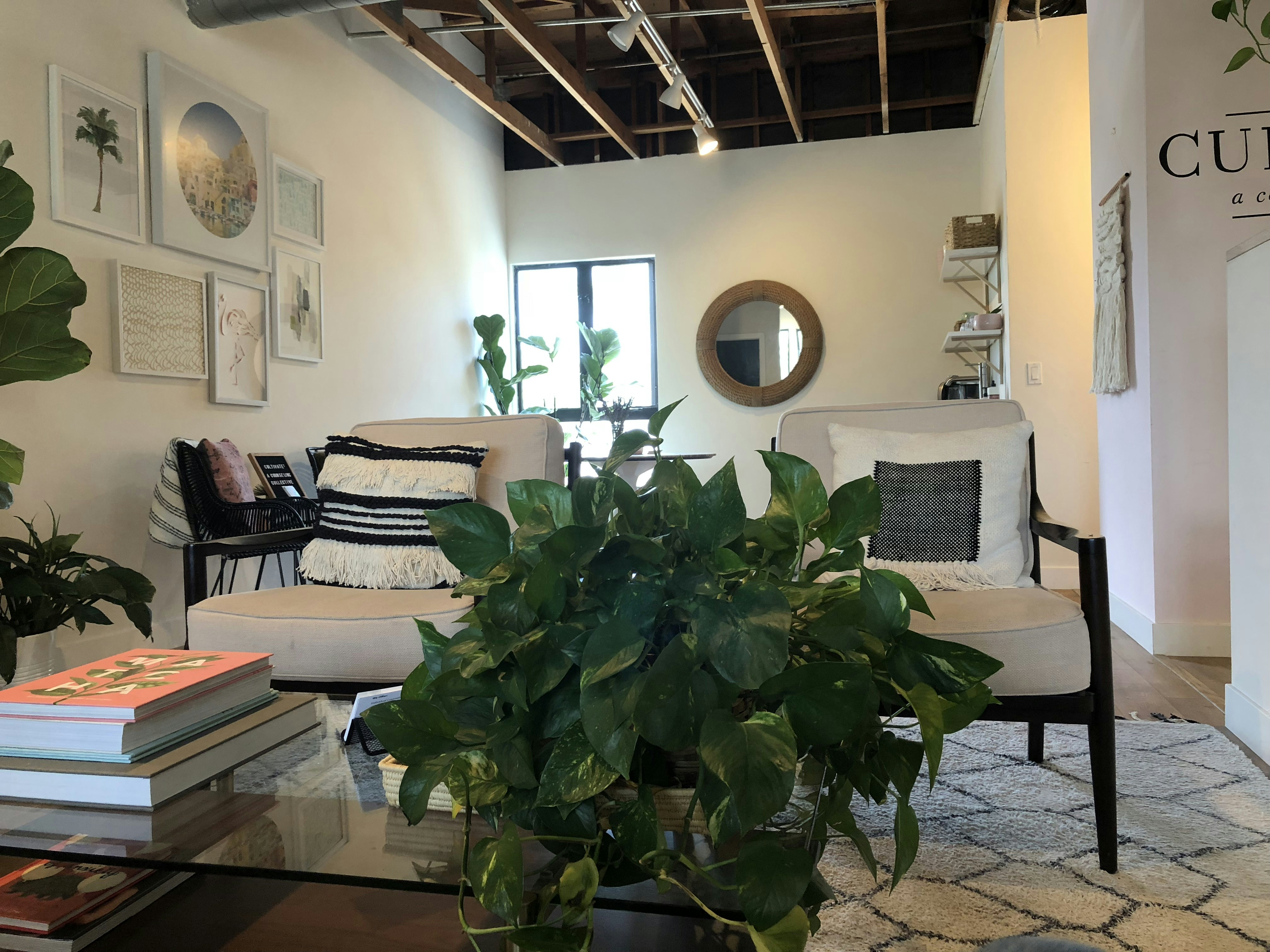
Embracing Minimalism: Less is More
Minimalism in home decor is rooted in the philosophy of simplicity and functionality. By focusing on clean lines and uncluttered spaces, one can create an inviting and serene living environment. The essence of minimalist design is to curate a living space that reflects personal style while avoiding unnecessary distractions. To achieve this, it is vital to choose essential items that serve both aesthetic and practical purposes.
When embracing minimalism, start by assessing your current decor and identifying items that do not contribute to the overall tranquility of your space. This can include excess furniture, decorative objects, or even artwork that feels overwhelming. By decluttering these areas, you can highlight key pieces that truly resonate with your personal taste. Consider investing in functional furniture that offers storage solutions without sacrificing style. For instance, a sleek coffee table with hidden compartments can serve as both a statement piece and a practical storage option.
In addition to selecting multifunctional furniture, focus on a cohesive color palette. Neutral tones, pastels, and earthy shades can enhance the feeling of spaciousness and calmness in a room. By limiting the color scheme, the overall decor will appear more unified and intentional. Textures also play a crucial role in minimalism; incorporating soft textiles, such as wool or linen, can add warmth without cluttering the visual space.
Finally, when considering accessories, opt for fewer, large-scale pieces rather than numerous small items. This approach makes a bolder statement and keeps the environment visually clean. Minimalism is not just about removing items; it is about thoughtfully selecting decor that aligns with a lifestyle of simplicity and functionality.
Adding Bold Colors and Patterns
Integrating bold colors and vibrant patterns into your living space can significantly transform its atmosphere and overall aesthetic. The psychology of color suggests that different hues evoke various emotions, which can greatly enhance how we feel in our homes. For instance, warm colors like red and orange are energizing and invite warmth, while cooler tones such as blue and green can impart a sense of calm and serenity.
When planning your decor, consider utilizing an accent wall to serve as a focal point. Painting one wall in a bold color or applying patterned wallpaper can immediately draw the eye and add depth to the room. This technique is particularly effective in smaller spaces, where a strong visual element creates a sense of dimension. Complementing this with textiles, such as throw pillows, rugs, or curtains in matching or contrasting colors, can help to unify the look and enhance the room’s personality.
Mixing and matching patterns can be daunting, yet it can yield stunning results when approached thoughtfully. A general rule of thumb is to choose a dominant pattern and then add one or two secondary patterns that share a common color palette. For instance, pairing a large floral print with smaller geometric designs can create a harmonious balance. Accessories like artwork, decorative trays, and vases can also be utilized to incorporate patterns and colors without overwhelming the space.
Additionally, consider incorporating bold accessories such as vibrant lamps, colorful artwork, or striking furniture pieces that enhance the visual interest of the room. These elements serve as the finishing touches that bring the entire decor theme together. By thoughtfully incorporating bold colors and vibrant patterns throughout your living space, you can create a stylish environment that reflects your personal style and energizes your home.
Sustainable and Eco-Friendly Decor Choices
The integration of sustainable and eco-friendly materials into home decor has gained significant popularity over the past few years. As homeowners become more conscious of their environmental footprint, they seek to create stylish living spaces that reflect their values. One of the most accessible and visually appealing ways to embrace this trend is through the use of reclaimed wood. Furniture made from reclaimed wood not only provides a rustic charm but also helps reduce deforestation, as it repurposes materials that might otherwise end up as waste.
Another aspect to consider is the incorporation of recycled materials into your decor. Accessories such as decorative vases, wall art, and even lighting fixtures crafted from recycled items can contribute to a unique aesthetic while promoting sustainability. For instance, using glass made from recycled bottles or textiles woven from reclaimed fabrics offers a beautiful yet eco-friendly solution to enhancing the style of your living space.
Furthermore, integrating plants into your home decor is a natural and effective way to promote an environmentally friendly atmosphere. Indoor plants not only improve air quality but also add a vibrant touch of nature to your home. Choosing native plants that require less water and care further aligns with sustainable living practices. Consider placing larger plants in living areas, while smaller varieties can be used on shelves or windowsills, creating a seamless connection between your interior design and the natural world.
Incorporating sustainable practices into your home decor can manifest in countless ways. From selecting furniture crafted from eco-friendly materials to utilizing decorative items made from recycled sources, there are numerous opportunities to make responsible choices. Creating a chic and stylish living space does not have to come at an environmental cost; with thoughtful selections, one can achieve a balance between aesthetics and eco-conscious design.
Combining Vintage and Modern Elements
Integrating vintage and modern decor styles can result in a uniquely stylish living space that reflects personal taste while also paying homage to design history. To begin this melding process, one must focus on sourcing unique vintage pieces that will serve as the foundation for the room’s aesthetic. Antique shops, flea markets, and online marketplaces are excellent places to discover one-of-a-kind items that will add character and charm to your home.
Once you have acquired the essential vintage pieces, the next crucial step is to understand how to create cohesion between the different styles. A successful blend relies on a balance that honors both vintage charm and modern simplicity. Use a common color palette throughout your decor to help tie everything together; for instance, if you choose warm, earthy tones for your vintage finds, consider complementing them with modern furniture or decor items in similar shades.
Layering textures and materials plays a significant role in achieving an eclectic look that remains cohesive. Use various textiles, such as plush cushions on a sleek leather sofa or a vintage rug placed beneath a contemporary dining table. This method not only enhances the visual interest of your space but also invites a sense of warmth and comfort. Natural materials like wood and metal can further bridge the gap between vintage and modern, allowing for a seamless transition throughout the room.
Another effective strategy involves juxtaposing different styles in deliberate ways. A vintage mirror can beautifully contrast with modern wall art, creating an engaging focal point. Similarly, incorporating modern lighting fixtures amidst vintage furniture can enhance the eclectic ambiance without overwhelming the space. Always keep in mind that the key is to achieve a balance that fosters harmony, allowing each piece to shine while contributing to the overall design narrative.